10 Reasons You’ll Love Being in a Baking Class


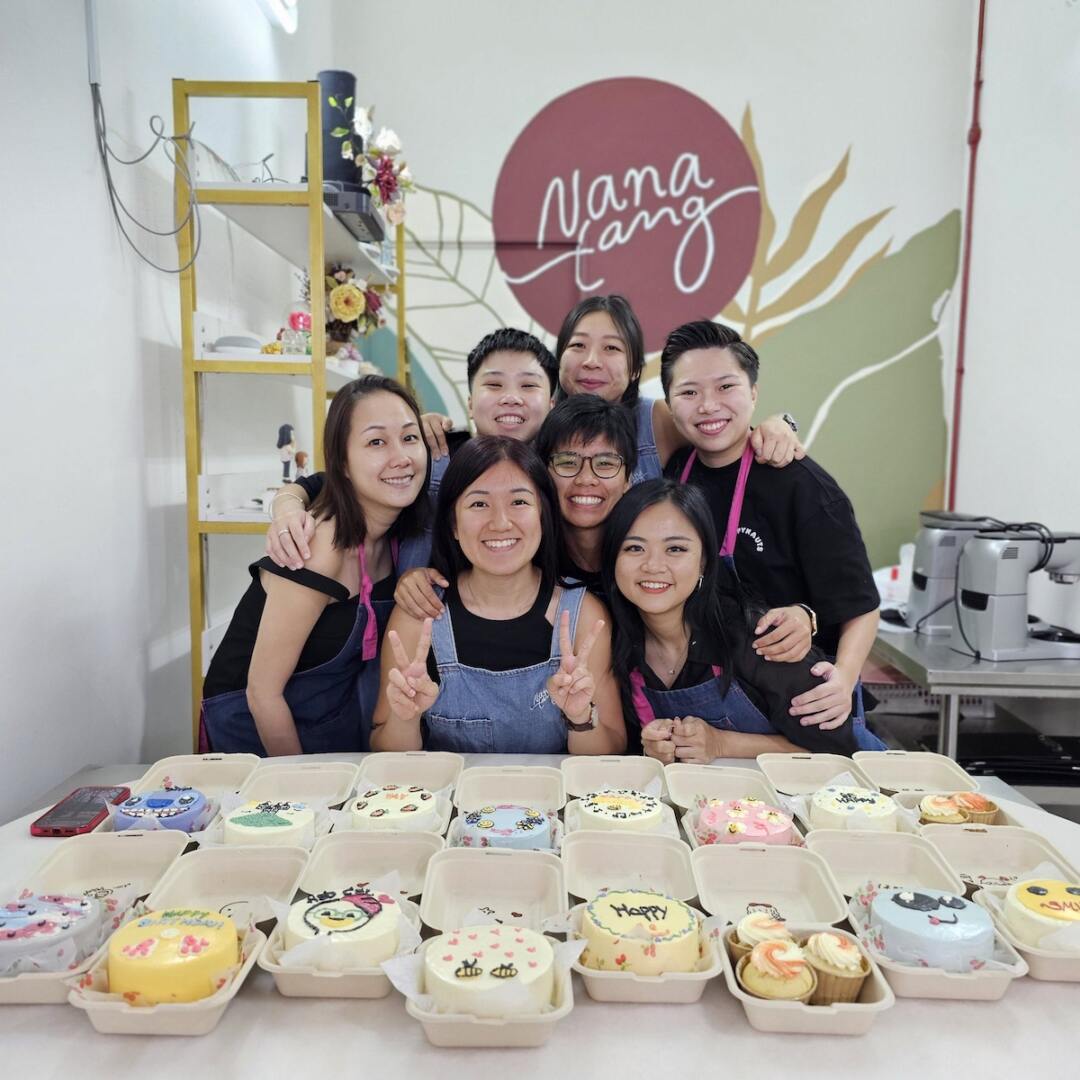
You’ve probably followed recipes for butter cookies, brownies, and banana bread online before, and had decent success with them. They’ve achieved the hallmarks of passable bakes—a lovely fragrance wafts in the air, and the treats turned out tasty enough to enjoy. But learning to bake from scratch and sourcing your recipes from others is as much about the end result as it is about the process. Baking classes, like those offered at Nanatang, can enrich your time both in and out of the kitchen, making your experience feel more rewarding than just blindly following a recipe. 

Need a little push? Here are 10 reasons to help convince that you’ll love joining a baking class, no matter your skill level!

#1 You can pick up basic baking skills.

One of the things missing from simply following instructions without much thought is the opportunity to understand the “why” behind each step—like the distinct differences between stirring and folding. Enrolling in a structured baking programme ensures you’re taught the fundamentals, including essential techniques for measuring and mixing ingredients, temperature control, and the trick to balancing flavours and textures. 

#2 You’ll get to explore different cultures through desserts.

Baking classes are where the worlds of foodies and history buffs collide. From cheesecakes with origins in Greece and wagashi influenced by Buddhist traditions, to the chunky macarons that recently gained fame in Korea, there are international recipes and techniques waiting to be uncovered. And contrary to popular belief, croissants might not even have originated in France. Intrigued?

#3 You get to work with professional tools and people.

Getting to work with professional bakers is incredibly valuable, because it offers hands-on experience with experts who are recognised for their craft. This means you will have access to techniques and insights that you otherwise wouldn’t have known from other sources. You’ll also get to experiment with tools and equipment like stand-in mixers and piping bags under qualified supervision.

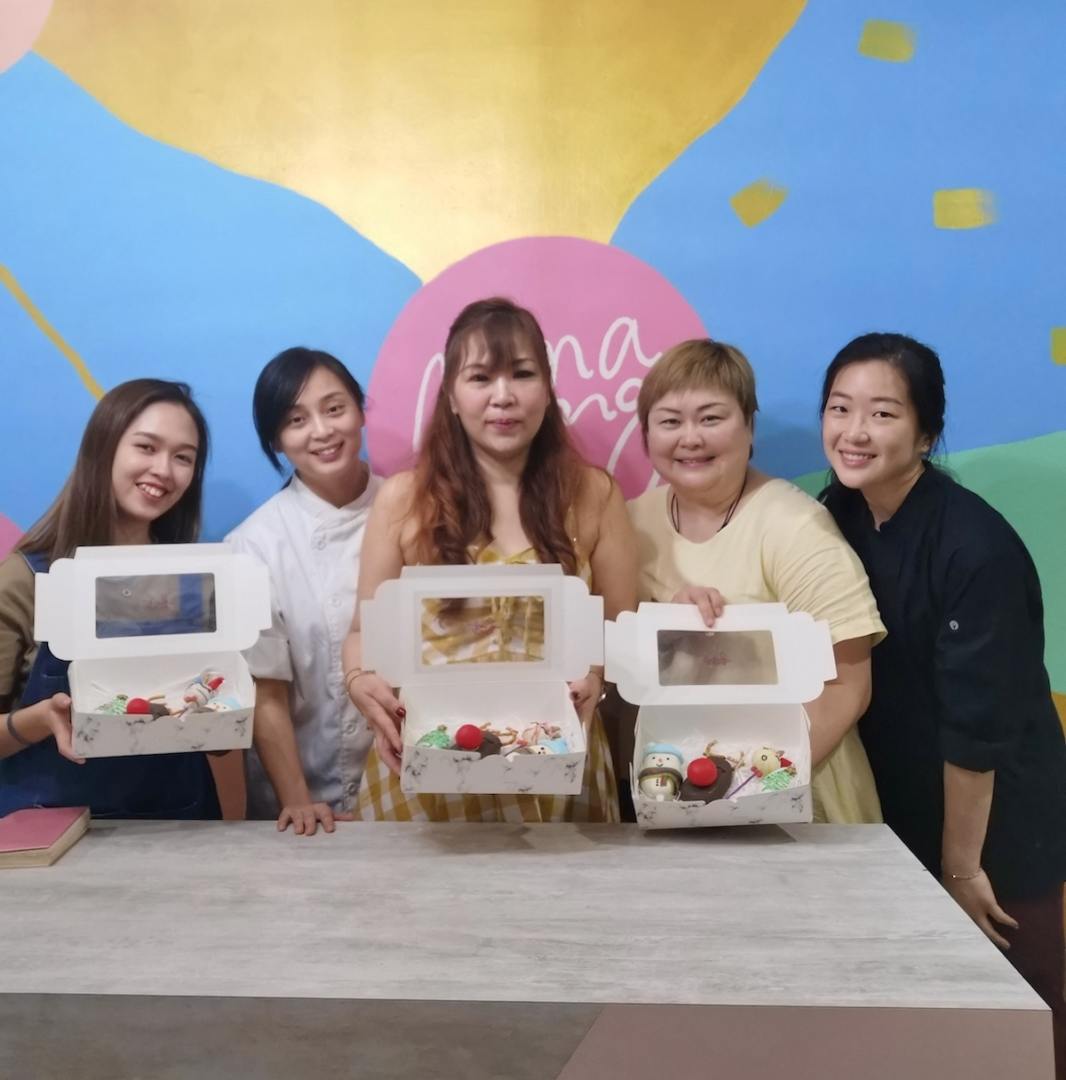
#4 You can handcraft gifts for family and friends.

Nothing speaks thoughtfulness and care like handmade gifts. We believe that a way to any person’s heart is through their stomach. Whether it’s a special occasion or any other day, knowing how to bake is like having the right gift ready at all times.

#5 You’ll learn the science behind baking.

Baking is a delicate balancing act between art and science. While culinary schools explore this in depth, baking workshops provide a fantastic introduction, allowing you to dabble with the basics—even if you’re just baking for fun. For example, different ingredients interact in unique ways, like how butter and sugar work together to create tender, fluffy crumb.

#6 You relieve stress—and inspire creativity.

Baking is an activity that requires a significant level of focus and attention. Not only does concentrating on your creation help you stay in the present moment, it also empowers you to feel a sense of control and purpose. Its therapeutic benefits can alleviate stress and restore creativity.

#7 You’ll be ready to kickstart a career in baking.

With expert guidance, the distant dream of becoming a baker becomes much more attainable. Even if working as a full-time baker isn’t your goal, you can still turn your passion into a side hustle or even open your own bakery. A choice like this has the potential to reshape your career path!

#8 You’ll discover healthier alternatives along the way.

While the internet is certainly a treasure trove of inclusive and healthy alternatives, baking classes offer a more personalised approach to ingredient swapping. With the accumulated knowledge and experience of professional bakers, you’ll learn which substitutes work best and get real-time help if a recipe doesn’t turn out as expected. For the health-conscious foodie who wants to craft the perfect guilt-free indulgence, baking classes are the way to go!

#9 You’ll save money on sweet treats!

Those containers of cookies and boxes of pastries during birthdays, anniversaries, and special occasions stack up to a lot. By mastering the art of baking, you can create professional-quality baked goods at home for a fraction of the price.

#10 You’ll connect with fellow baking enthusiasts.

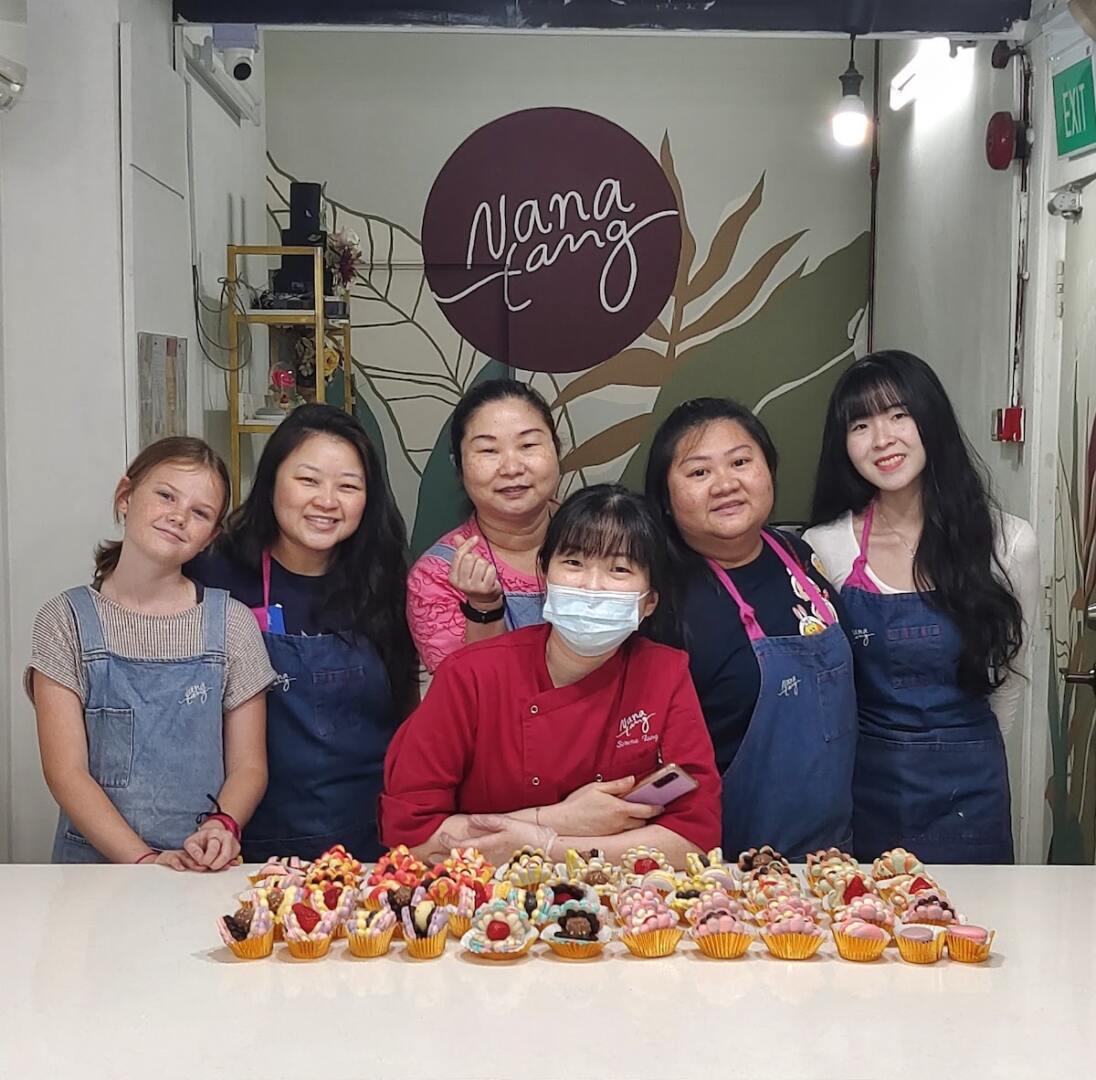
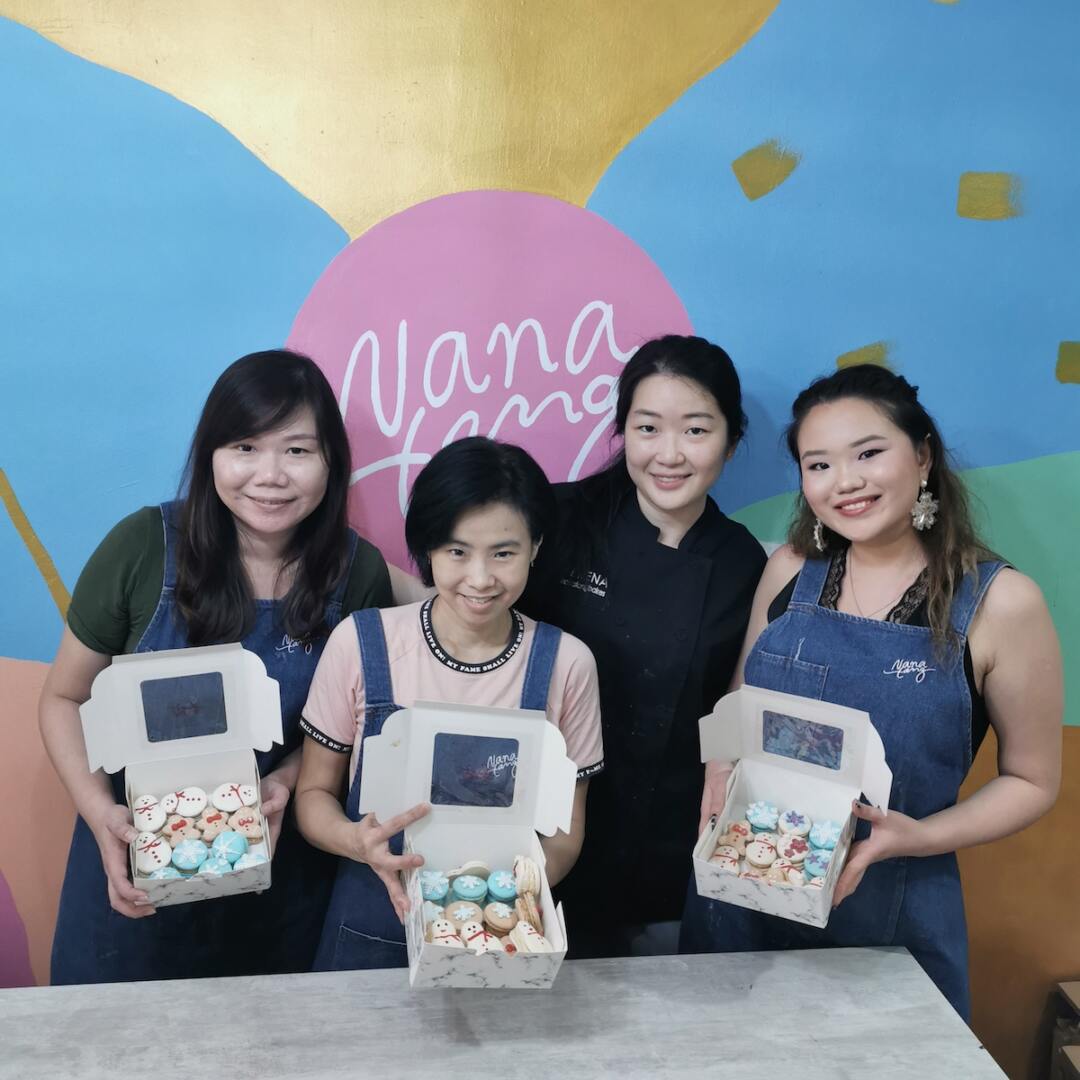
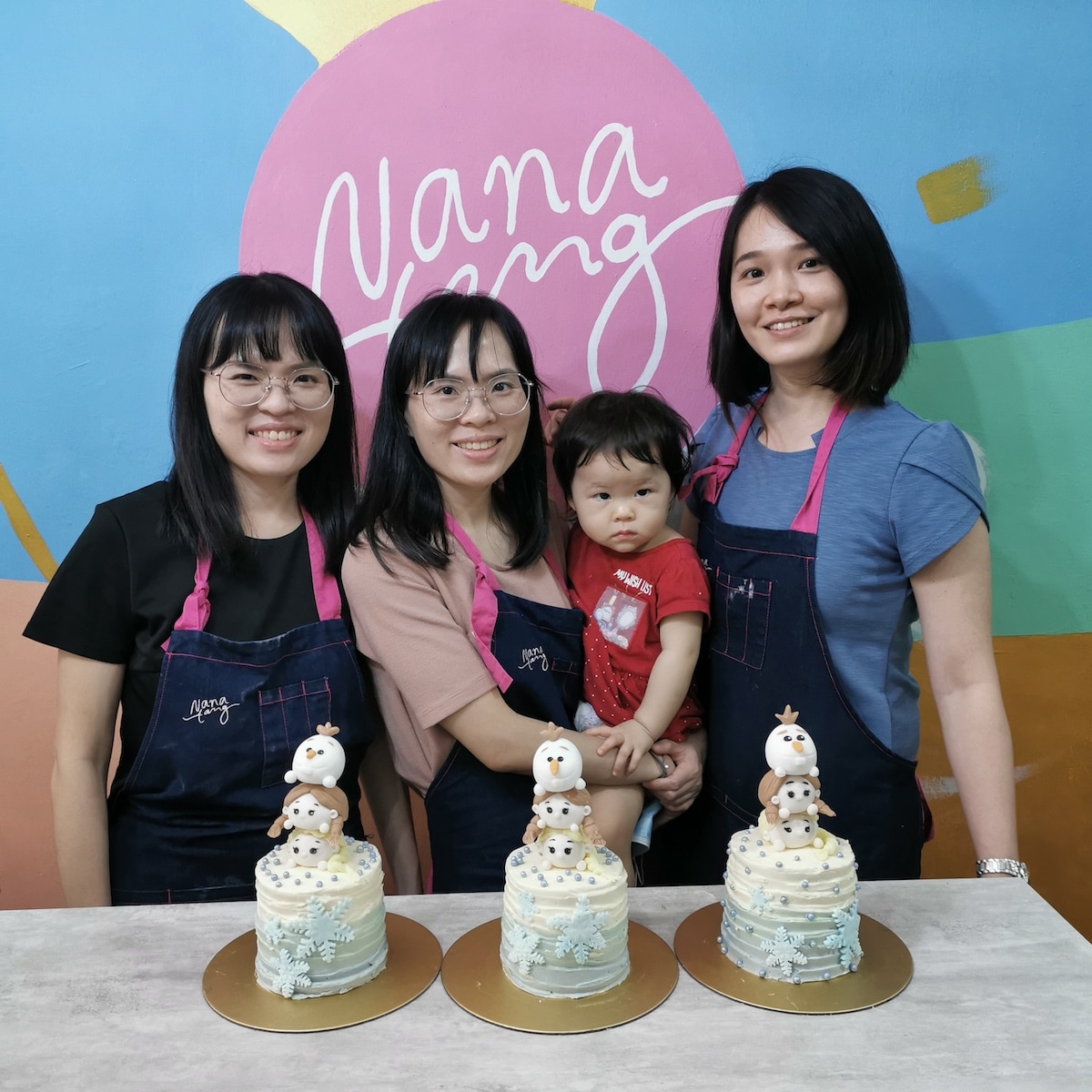
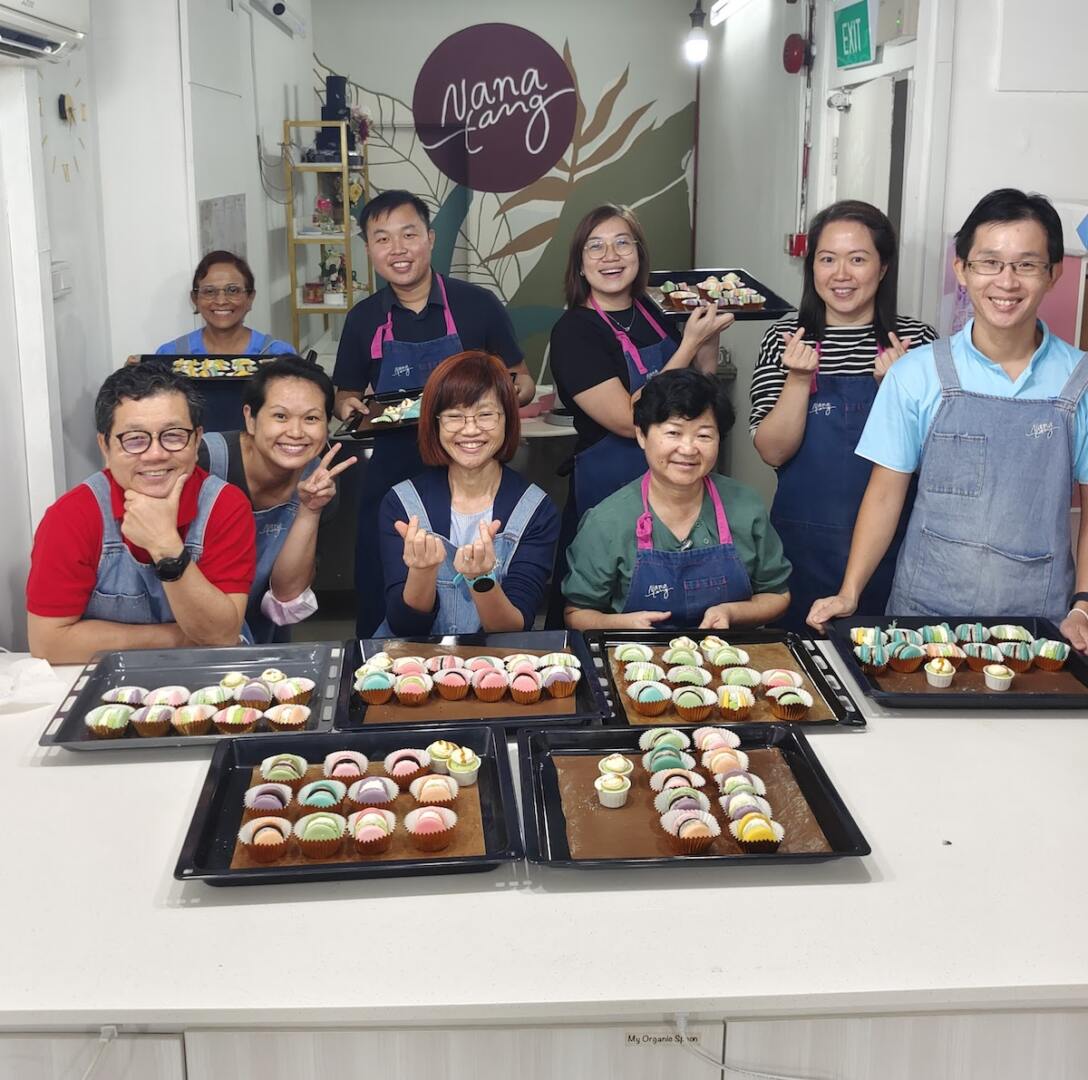
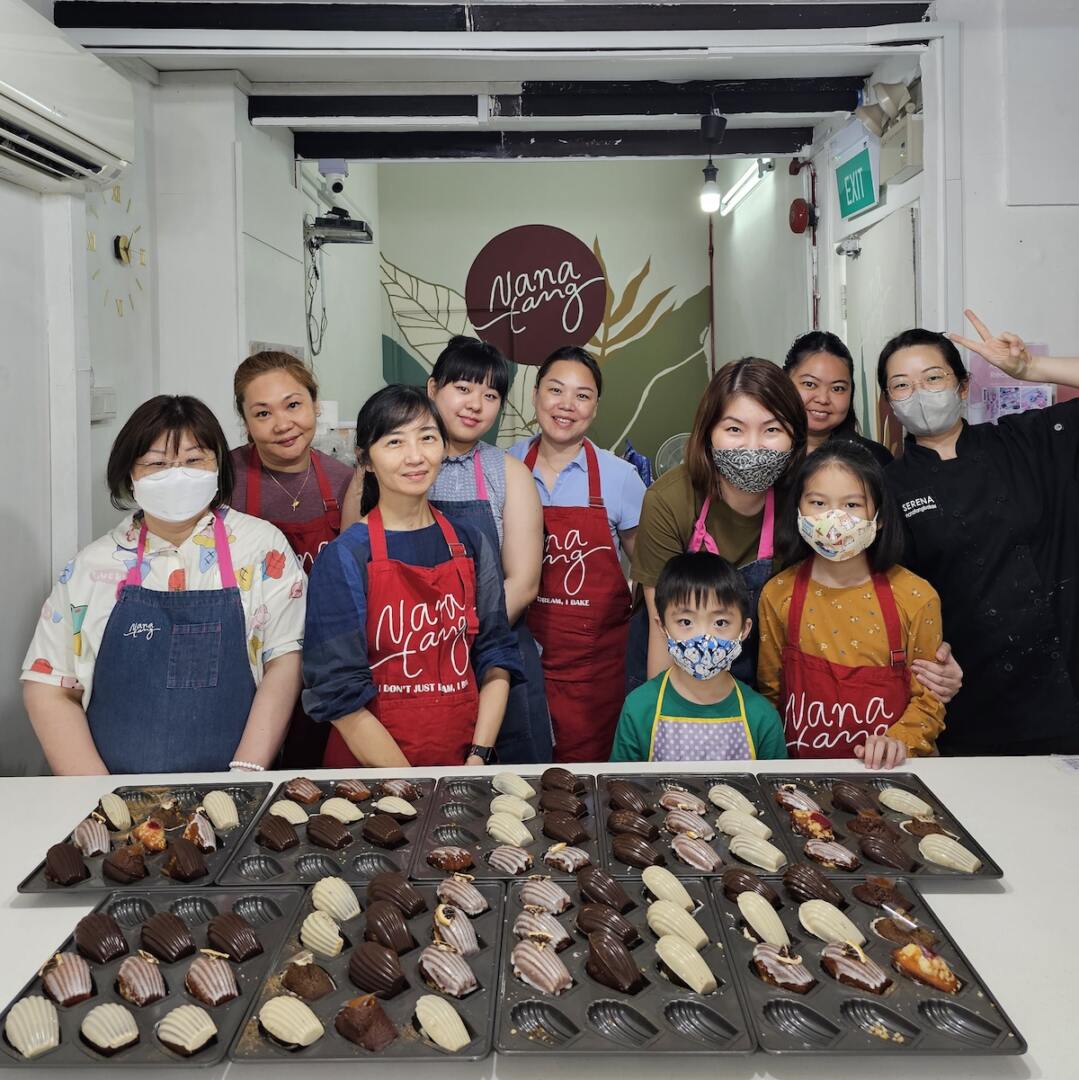
Last but not least, baking workshops and courses are a great way to meet like-minded people who share your love for creating—and enjoying—delicious treats. You’ll connect with others who can inspire you, share ideas, and help you grow your skills. These aren’t just networking opportunities—they’re friendships and collaborations that can keep you motivated and excited about baking, whether you’re looking to turn it into a career or just want to try something fresh and fun.

Final Thoughts

Ready to roll up your sleeves and put on your oven mitts? Learning from professional bakers in a detailed baking programme like those at Nanatang offers countless opportunities for self-care and improvement. You get to have fun, learn some cool tricks from the pros, and further reinforce the belief that whipping up something without shortcuts is way more satisfying (and delicious). Don’t wait—our world-class courses are high in demand! 

Browse and enroll now to experience the magic for yourself.

A Dip into Tiramisu’s History


Tiramisu is a dessert that takes on many unexpected roles beyond its delectable and dolce qualities. First and foremost, and acknowledged by all, it has become a hallmark of Italian culinary tradition. Then, the coffee aficionado might argue it serves as an excellent primer for coffee appreciation. Some others might even propose that, like chocolate, it’s a luxurious aphrodisiac, making it an appropriate and pleasing no-bake finale for a Valentine’s Day dinner.  

Seeping into so many facets of our lives, it’s no surprise that tiramisu is a beloved dessert, found in the poshest of Italian restaurants as well as casual eateries. But beneath the layers of pastries, coffee, eggs, and more, there lies a history as rich as its complex flavours. 

Savour a spoonful of tiramisu’s past with us at Nanatang.

What is Tiramisu?

Tiramisu, an Italian dessert made with ladyfinger cookies, coffee, mascarpone cheese, eggs, cocoa powder, sugar, and sometimes coffee liqueur, takes its name from the phrase “pick me up”. Unlike most other sweet treats, tiramisu is made by simply assembling its ingredients, no baking required. It also does not fall into either categories of cake or trifle, but rather identifies as a unique layered dessert that combines rich, creamy textures with a delightful contrast of coffee-soaked ladyfingers.

While tiramisu is enjoyed year-round, it is particularly popular during special occasions such as Christmas, Easter, and Valentine’s Day.

The Flavour Profile of Tiramisu

One of the most distinctive features of tiramisu is the coffee-drenched ladyfingers. Absorbing the strong aroma and flavour of coffee, the ladyfingers soften and take on a cake-like texture. They are sometimes also infused with rum or cognac for added depth.

You might have heard some referencing a special Italian “custard” present in tiramisu. This is actually a mixture of mascarpone cheese, egg yolks, and sugar. This custard is the base for the creamy mouthfeel of tiramisu. It is described as rich, sweet, and slightly tangy. 

And don’t forget about the cocoa powder. Like a fine dusting of snow over the dessert, it lends a subtle bitter chocolate flavour, which juxtaposes nicely with the sweetness of mascarpone custard and the fragrance of coffee-soaked ladyfingers, resulting in a nuanced and luxurious treat.

Tracing the Origins of Tiramisu

The history of tiramisu is somewhat contentious, but the fact remains that it is native to Italy. While some believe the original tiramisu recipe was modeled after another dessert, the sbatudin from the Veneto region, others claim that the Italian classic was an invention created to honour Grand Duke Cosimo III. Not far from the sbatudin is the tale that tiramisu was spontaneously whipped up at a restaurant called Le Beccherie in Veneto, where pastry chef Roberto Linguanotto is credited with its invention.

But that’s not all. Tiramisu has also found its place in the history of Italian brothels, particularly in Treviso, where its supposed aphrodisiac effects have been acknowledged since the 19th century. According to some sources, the owner of a brothel in Treviso created tiramisu to serve to customers at the end of the evening, helping to reenergise them before they headed home. It also contributed to boosting business, its aphrodisiac phenomenon by virtue of its high caffeine, sugar, and alcohol content.

Tiramisu’s Debut in Literature

The uncertain origins of tiramisu become even more mind-boggling when you consider that it wasn’t that long ago when tiramisu came into official existence. The earliest documented evidence of the dessert seems to be from the 1960s, when it was first mentioned in some cookbooks. Soon after, it appeared in restaurant columns, encyclopedias, and dictionaries.

Despite its supposed roots in Treviso, the neighbouring region of Friuli Venezia Giulia sought to protect tiramisu as a regional culinary product in 2017. This means that the original ingredients and methods will be strictly guarded, and substitutes or alterations to the recipe won’t be considered “authentic” tiramisu in the region.

Modern Takes on Tiramisu

Tiramisu has since been adapted into many kinds of desserts all over the world, from cakes and ice cream to mousse, parfaits, and even tiramisu-flavoured macarons. Some modern renditions feature variations like tiramisu cupcakes, tiramisu in jars, and even tiramisu-flavoured puddings. With endless creative possibilities, this cherished dessert continues to spark off new interpretations across different cuisines.

At Nanatang, we offer single-day courses to teach dessert lovers how to recreate the famed tiramisu in tins. In classes of six to eight, learn how to capture the latest dessert trend and celebrate the Italian icon all at once.

Final Thoughts

Tiramisu’s simple but intricate construction and colourful history makes it a delectable dessert that continues to be savoured, year after year, all over the world. Whether you’re relishing its classic flavours or exploring new versions, tiramisu always offers an experience that invites revisiting. Join us at Nanatang and immerse yourself in the coffee-saturated art of tiramisu, where tradition meets innovation in every bite. We also welcome you to explore our other workshops here.

10 Things We Wish We’d Known When We First Started Baking (And Some Hilarious Truths)

Bakers take on both roles of scientists and artists—and with these two elements often at odds with each other, it’s easy to see why baking isn’t always simple. Especially for beginners, learning to juggle new tools, trusting your instincts while abiding by the recipe, and multitasking can feel overwhelming, all while wondering: will it rise, or will I need a backup plan?

At Nanatang, we know exactly what this feels like, and we want to help you avoid some of the struggles we faced. After a lot of trial and error, we mean a lot, and some unfortunate mishaps with equipment and ingredients we didn’t fully understand, we’ve learnt which potholes to avoid for a smoother baking process. And remember, as long as you’re baking, you’re always learning. So ahead are 10 things we wish someone had told us when we first got started!

#1: Always gather your ingredients first.

Finding out mid-bake that you’re missing an ingredient can be a costly mistake where time and order are of the essence. Unlike cooking, where you can add things as you go, baking demands careful planning. That’s why culinary students are taught about mise en place from the start—it’s all about being fully prepared. This means having your ingredients, tools and equipment all set up before you begin.

#2: Don’t be lazy, read the recipe!

Take the time to thoroughly read through the recipe and familiarise yourself with each step of the process. If it helps, try visualising them in your mind, and then give it a once-over just before you start baking. It’s tempting to just skim through it quickly, but you won’t realise what’s missing or gone wrong until it’s too late—usually at the end.

#3: Measurements actually matter.

In baking, measurements are crucial because they underpin the success of your bakes. For example, using too much flour or too little sugar can throw off the texture and flavour. Precision is something you can fully control—so there’s really no reason for it to go wrong! Always use the right measuring tools like measuring cups, spoons and scales to get accurate measurements. It’s also important to note that there are separate measuring cups for dry and liquid ingredients. To make things easier, it’s a good idea to measure everything ahead of time and have it ready to go.

#4: Start with the easy recipes first.

It’s great to be ambitious, but avoid jumping the gun and skipping ahead to complex recipes before you’ve mastered the simpler ones first. Basic recipes serve as a starting point for you to understand baking without being burdened with technique. As you gain more experience, you can gradually progress to more advanced ones that place a heavier emphasis on measuring, mixing and timing.

#5: No two ovens are alike.

Getting to know your oven takes time, whether it’s a standard or convection model. Every oven has its quirks, including hot or cool spots, and discovering them often requires some experimentation. To achieve the best results for your bakes, always preheat your oven and, if possible, use an oven thermometer. It’s a game-changer for ensuring accurate temperatures and consistent baking outcomes.

#6: It’s room temperature unless otherwise specified.

Room temperature ingredients mix more evenly and create smoother batter and dough. As such, most recipes call for ingredients, including pantry staples like butter, eggs, milk, and other items, at room temperature unless stated otherwise. If they aren’t meant to be at room temperature, the recipe would indicate so, like “chilled”, “melted” or “cold”. 

#7: How you mix can make or break your bake.

Throughout your baking ventures, you’ll encounter many terms that might sound familiar in theory, but are harder to visualise in practice. Techniques like creaming, folding, beating, stirring, kneading, and even macaronaging play a part in achieving the perfect texture and structure of your baked goods. Pay close attention to the instructions and aim to mix just right, neither overmixing or undermixing, to get the best results.

#8: Master the recipe before you make changes.

You need a solid grasp of how a recipe is meant to turn out before you start making any changes. While small swaps, like using almond milk instead of regular milk, are usually harmless, even minor adjustments can affect the final result. Leave modifications and experimentation for later, when you know how the original recipe is supposed to work.

#9: Quit playing peek-a-boo with the oven.

Once your treats are in the oven, resist the urge to open the door! It might seem like they’re safe inside, but opening and closing the oven door frequently causes temperature fluctuations, which can mess with the consistency you need. Hot air escapes, cold air enters, and the temperature drops by a few degrees. If you’re unlucky, your dough could even collapse. A little patience goes a long way, so sit back, relax, and let the oven do its thing.

#10: Don’t be afraid to make mistakes!

Baking is a learning process, and it’s normal to make mistakes along the way. Whether it’s a sunken cake or a burnt bottom, don’t be discouraged. Every failed attempt is an opportunity to learn and improve. The more you bake, the more you’ll get a feel for how ingredients and techniques work together, alongside their own individual quirks. Embrace the trial and error; it’s all part of the fun!

Prefer a learning experience with minimal setbacks? It’s possible! At Nanatang, a renowned bakehouse and baking studio in Singapore, we offer hands-on classes led by world-class artisans to help you refine your skills and explore new techniques. Browse our baking workshops and take the next step in mastering the art of baking. A fun, fulfilling and fumble-free time in the kitchen awaits you! 

Doughnuts vs Bagels: What Sets These Circular Treats Apart?

Doughnuts and bagels are both ring-shaped treats, that is, they are circular and have a hole in the middle. They are also often enjoyed as breakfast in many places around the world. But when you get down to it, they couldn’t be more different. Even though they’re both popular treats, each one has its own unique qualities that make them deserving of their own identity!

Ever wondered what actually sets doughnuts and bagels apart? Don’t risk mixing them up and embarrassing yourself again! Here at Nanatang, we’ve put together a simple guide to help you tell them apart, once and for all. Check out the quick rundown:

Ingredients

Doughnuts and bagels both start with flour and leavening agents, but that’s where their similarities end. Bagels use high-gluten flour, while doughnuts are satisfied with all-purpose. When it comes to leavening, bagels rely on baker’s yeast, while doughnuts can also turn to baking soda or powder. 

But here’s where things get really different: doughnuts love their fat and sugar—two things you are quite unlikely to find, in large amounts, in the relatively lean bagels. The sugar is what gives doughnuts their signature sweetness, while bagels keep it simple, with sugar being optional. 

Preparation

It’s one of those things that’s both surprising and well-known: doughnuts aren’t actually baked, but fried in oil. That’s what gives them that irresistible golden-brown crunch on the outside. 

Bagels, on the flipside, take an entirely different route. Instead of getting dunked in oil, they’re quickly boiled on each side for about a minute, a secret behind that shiny, glossy finish. Then, they get brushed with an egg wash before heading into the oven to bake to perfection.

Taste 

We’ve all seen doughnuts sitting in the display, looking all colourful and decorated. Doughnuts are always sweet and come in endless flavours—glazed, drizzled, filled with chocolate, cream, or jam, and sometimes topped with fun extras like sprinkles, chocolate chips or nuts. With its sweet dough and endless possibilities for fillings and toppings, doughnuts are pretty much a dessert in disguise—though they get a pass as breakfast, especially when paired with a cup of coffee.

Bagels, on the other hand, are an undeniable breakfast staple. They’re hearty, often eaten plain or with simple toppings like cream cheese or butter. Bagels also make fantastic sandwich bases, with their savoury goodness perfectly complementing deli meats and cheeses—making each bite burst with wholesome satisfaction.

Texture

The type of flour used makes a difference in texture. Doughnuts, made with all-purpose flour, are fluffier and feel airy and light, also because they are deep-fried. This soft, cake-like texture pairs well with sweet toppings, reinforcing the idea that doughnuts are quite a treat indeed.

Bagels use flour with high gluten content, which gives them a pretty intense chew and a denser texture. Add in their unique boiling and baking process, and you get that signature crispy crust. This wholesome, substantial consistency makes bagels ideal for a satiating, fuel-you-up breakfast.

Nutrition

We admit, nutrition isn’t always our first concern when choosing between a doughnut and a bagel. But the differences are still worth noting. Doughnuts pack more sugar and fat, while bagels—thanks to their choice of ingredients—are higher in protein and fibre. This makes bagels a stronger contender for an actual meal, while doughnuts are best savoured in moderation, as an occasional treat.

But that doesn’t mean bagels are without their drawbacks. A medium-sized doughnut generally contains around 190-300 calories, while a plain bagel clocks in at about 250 calories. So, calorie-wise, a doughnut can sometimes be a lighter option, provided you go for an unembellished one without heavy fillings or toppings.

That said, if health is your priority, wholegrain bagels are the way to go. They break down more slowly in your body, keeping you full longer, and they’re a prime base for building a balanced meal. Add some meats, cheeses, veggies, or whatever sandwich fillings you love, and you’ve got yourself a hearty, nutritious breakfast or lunch option.

Comparison Table

AspectDoughnutsBagels
IngredientsAll-purpose flour, baking soda or powder, high fat, high sugarHigh-gluten flour, baker’s yeast, minimal fat and sugar
PreparationDeep-fried in oil for a golden-brown finish, often glazed or filled for different flavoursBoiled briefly, then baked, egg wash before baking
TasteSweet, dessert-likeSavoury and hearty, can be used as a sandwich base
TextureAiry and lightDense and chewy
NutritionHigh sugar and fat, about 190 to 300 caloriesHigh protein and fibre, around 250 calories

Final Thoughts

Although at first glance, doughnuts and bagels can appear similar and almost hard to distinguish, a closer look—or taste—can really unveil that they are, in actuality, worlds apart. From the difference in their ingredients to their distinctive tastes and textures, these factors truly separate them from each other and show us that they are both worth appreciating in their own ways. 

However, just tasting them alone isn’t enough to fully indulge in what makes them special. Want to really experience the magic of doughnuts and bagels? Try making them yourself! At Nanatang, our skilled bakers are here to show you how it’s done. From selecting the best ingredients to mastering the right techniques, you’ll learn all the secrets to crafting these iconic creations with your own hands.

Join a workshop at Nanatang today and explore doughnuts and bagels in an entirely new light!

What Makes Bread Artisan? The New Baker’s Guide to Crafting Quality Treats

There’s magic in transforming a few simple ingredients into a beautiful loaf of bread. This magic lies at the heart of artisan baking—a world that Nanatang embraces with passion. 

Known for handcrafted baked goods and regarded as a renowned baking studio, Nanatang has perfected the art of combining tradition and creativity. But what does it mean for bread to be “artisan”? This guide explores what sets artisan bread apart, its techniques, and how aspiring bakers can embark on their journey towards crafting quality treats.

What Is Artisan Bread?

Artisan bread is more than just food—it’s an experience. It results from traditional methods, quality ingredients and time-honoured craftsmanship. Unlike mass-produced bread, which prioritises speed and uniformity, artisan bread is created in small batches with great care and attention to detail.

Key Characteristics of Artisan Bread:

Artisan Bread vs. Commercial Bread

The main difference between artisan and commercial bread lies in the approach. Commercial bread, mass-produced in factories, focuses on efficiency and shelf life. It’s packed with additives to preserve freshness and uses automated processes for consistency.

In contrast, artisan bread is all about tradition and authenticity. It requires skill, time and effort, resulting in a product with:

This process can feel like art for bakers—each loaf tells a story through its imperfections and unique characteristics.

Regional Varieties of Artisan Bread

Artisan bread styles vary across cultures, each reflecting local traditions and flavours. Exploring these varieties can help aspiring bakers find inspiration and learn new techniques.

Each type of bread offers unique lessons for bakers to experiment with, from hydration levels to shaping techniques.

Essential Techniques for Artisan Bread Making

Creating artisan bread involves several vital techniques that aspiring bakers must master:

These techniques may seem daunting initially, but they become second nature with practice, transforming baking into a meditative process.

Troubleshooting Common Baking Challenges

Even seasoned bakers encounter setbacks, but overcoming these challenges is part of the learning process. Here are solutions to some common issues:

These troubleshooting tips will help bakers stay motivated, even when things are unplanned.

Developing Your Artisan Skills: Tips for Aspiring Bakers

Glossary of Key Artisan Baking Terms

For beginners, understanding the terminology can make the journey less intimidating. Here are a few essential terms:

The Final Loaf: Discover the Joy of Artisan Baking with Nanatang

Artisan bread is more than just a trend—it’s a return to mindful craftsmanship, where every loaf tells a story through its texture, flavour and appearance. As you begin your journey into artisan baking, let Nanatang be your guide. 

With hands-on classes led by experienced bakers and a focus on handcrafted goods, Nanatang offers the perfect environment to hone your skills and explore new techniques. Whether you’re a complete beginner or an experienced baker looking to refine your craft, you have a place in Nanatang’s community.

Ready to craft your first artisan loaf? Join one of Nanatang’s baking classes today and experience the joy of turning simple ingredients into something extraordinary! Read about our story here.

10 Delectable Asian-Inspired Desserts Making Waves Worldwide


Asian-inspired desserts are captivating worldwide taste buds, offering an irresistible mix of artistry, flavour and tradition. From delicate pastries to visually stunning cakes, these treats are rewriting the dessert scene beyond Asia. Their growing appeal comes from their ability to blend local ingredients with contemporary presentation, creating global experiences that resonate with food lovers.

Singapore’s Nanatang, an artisan bakery and baking studio, celebrates the craft behind these desserts. Known for producing handcrafted baked goods and offering world-class pastry workshops, Nanatang connects global dessert trends with a deep commitment to quality.

1. Korean Bento Cakes – Petite, Personal and Playful

Korean bento cakes are mini-sized, round cakes made for one or two people. They are often decorated with minimalist designs or playful messages. Their appeal lies in their compactness, which feels both personal and luxurious, making them ideal for small celebrations. These cakes offer endless customisation—from pastel-coloured frosting to quirky drawings—turning them into edible art pieces.

Their popularity skyrocketed through social media, where their charming designs caught the attention of dessert lovers worldwide. The combination of sweet simplicity, customisation and portability makes bento cakes a global trend that shows no sign of slowing down.

2. Korean-Style Financiers – Delicate Yet Decadent

Korean-style financiers are an elegant adaptation of the classic French almond cake. While traditional financiers are already beloved for their buttery richness, Korean pastry chefs have infused these small cakes with flavours like matcha, black sesame and yuzu. This fusion of East and West elevates the humble financier into a sophisticated treat perfect for tea-time indulgence.

These bite-sized delights are about taste and presentation, with their golden-brown tops and perfectly balanced flavour profiles adding to their appeal.

3. Japanese Mochi – The Chewy Delight

Mochi has been a staple of Japanese culture for centuries, symbolising good fortune and happiness. Its chewy, glutinous texture offers a uniquely satisfying bite, whether filled with traditional red bean paste or modern options like ice cream and fruit purée.

Mochi variations have become a global phenomenon, with specialty mochi doughnuts and ice cream versions appearing in cafes and supermarkets worldwide. Its playful texture and adaptability to different flavours make it a crowd favourite.

4. Thai Mango Sticky Rice – A Tropical Favourite

Mango sticky rice is a cherished dessert made from glutinous rice, fresh mangoes and coconut milk. The tropical flavours and the delightful combination of creamy and chewy textures make it an irresistible summer indulgence. Though rooted in Thailand, this dessert has gained popularity worldwide, with restaurants and dessert bars introducing their spins on the classic dish.

In many places, chefs enhance the dish with pandan leaves or additional fruits, making it delicious and visually appealing.

5. Taiwanese Pineapple Cakes – A Sweet Taste of Tradition

Pineapple cakes have long been a symbol of prosperity and hospitality in Taiwan. These buttery pastries, filled with a tangy-sweet pineapple jam, are popular gifts during festive seasons. Beyond Taiwan, they have become a sought-after delicacy in bakeries and specialty shops worldwide.

Chefs continue experimenting with new flavours—like passionfruit and lychee—transforming this traditional pastry into a modern dessert without losing its cultural roots.

6. Japanese Soufflé Pancakes – Light as Air

Japanese soufflé pancakes are a dessert marvel, known for their jiggly texture and melt-in-your-mouth feel. Achieving the perfect rise requires precise technique; making these pancakes is more about skill than taste. Their pillowy softness and subtle sweetness have won over dessert enthusiasts worldwide, with cafes in major cities offering variations with fruits, whipped cream and syrups.

These pancakes are visually stunning and indulgent, making them a favourite for social media posts.

7. Filipino Ube Desserts – A Vibrant Purple Obsession

Ube, or purple yam, has captured the imagination of dessert lovers worldwide with its vibrant hue and subtle sweetness. Originally from the Philippines, ube is now found in everything from cakes and cookies to ice creams and doughnuts. Its eye-catching colour and versatility make it an exciting ingredient for bakers and chefs.

Many international bakeries now feature ube desserts on their menus, catering to a growing demand for this exotic flavour.

8. Hong Kong Egg Tarts – Buttery and Irresistible

Hong Kong egg tarts are a delightful blend of Chinese and Western culinary traditions. With a buttery, flaky crust and smooth custard filling, they offer the perfect balance of texture and flavour. These tarts are a popular comfort food and have become a mainstay in cafes worldwide, loved for their simplicity and nostalgic appeal.

Whether enjoyed plain or with a twist of modern flavours like salted egg yolk, egg tarts remain a beloved dessert that crosses cultural boundaries.

9. Vietnamese Coffee Desserts – Bold and Flavourful

Vietnam’s rich coffee culture has inspired a range of coffee-based desserts, from tiramisu to ice cream. Known for its bold, sweetened condensed milk flavour, Vietnamese coffee adds depth to these treats. Its strong, aromatic presence makes it a favourite for those who appreciate complex, robust flavours.

Desserts infused with Vietnamese coffee offer a new experience for dessert lovers. They combine caffeine with sweetness to create a memorable, invigorating indulgence.

10. Matcha Everything – A Green Tea Revolution

Matcha, finely ground green tea powder, has transformed the global dessert landscape. Its earthy, slightly bitter flavour pairs well with sweet ingredients, leading to the rise of matcha-flavoured cookies, cheesecakes and lattes. Beyond its taste, matcha’s health benefits—such as antioxidants—make it a popular choice among health-conscious consumers.

As both a flavour and ingredient, matcha represents the fusion of wellness trends and dessert culture, making it a favourite among chefs and consumers.

The Global Craze for Asian-Inspired Desserts

The appeal of Asian-inspired desserts goes beyond flavour. These treats offer a sensory experience through vibrant colours, intricate textures and creative presentation styles. They challenge the conventional idea of desserts by blending unexpected ingredients with visually stunning designs.

Social media platforms like Instagram and TikTok have played a significant role in spreading the popularity of these desserts. Photogenic and easy to share, bento cakes, mochi, and ube pastries have become viral, inspiring people worldwide to explore new flavours and experiences.

The global interest in these desserts also reflects a shift toward cultural appreciation and diversity in food, with people increasingly drawn to experiences that offer something different from their everyday routines.

Explore the Art of Asian-Inspired Baking

The global rise of Asian-inspired desserts showcases a growing love for culinary creativity and cultural diversity. Whether it’s a bento cake, an egg tart, or a matcha cookie, these treats excite the dessert world.

Nanatang embraces this trend with handcrafted pastries and workshops that teach participants how to create these desserts. Whether you’re looking to indulge in a unique treat or learn the art of artisan baking, Nanatang offers the perfect opportunity to dive into the world of Asian-inspired sweets. Visit our workshop page and sign up to experience a blend of tradition, artistry and modern flavours.

7 Traditional Breads from Around the Globe That Will Delight Your Worldly Palate

Bread is more than just a staple; it reflects culture, history and tradition. Across the globe, different communities have perfected their unique bread recipes, each telling a story of the land and the people who make it. From the crusty loaves of Europe to the soft, pillowy breads of Asia, exploring traditional breads is a culinary journey like no other. Here are seven traditional breads from around the world that will delight your worldly palate.

1. Baguette (France)

No bread list is complete without the classic French baguette. Known for its crispy crust and airy crumb, the baguette is more than just a bread — it symbolises French culture. Originating in the 19th century, this long, thin loaf has become synonymous with French gastronomy, often enjoyed with a simple butter or cheese spread.

Cultural Significance: The baguette is integral to French daily life, with every bakery and household having its unique take on this iconic bread. Its status as a cultural emblem is so significant that the French government is lobbying for UNESCO heritage status for the baguette, underlining its importance.

While Nanatang’s focus may be on other French delights, you can still explore the world of French pastries in our classes, such as the 2-in-1 Duo French Pastries: Choux & Fruit Tarts workshop, which furnishes the skills needed for perfecting your bread-making.

2. Focaccia (Italy)

Focaccia is a traditional Italian bread that dates back to the ancient Romans. This flatbread, often baked with olive oil, salt, and sometimes herbs, is known for its airy texture and rich flavour. It can be enjoyed on its own, used as sandwich bread, or served alongside soups and salads. Its versatility and simplicity make it a beloved staple in Italian cuisine.

Cultural Significance: Focaccia is a canvas for creativity. Each region in Italy has its variation, often influenced by local ingredients and traditions. For example, in Liguria, focaccia is sprinkled with coarse salt and rosemary, while in Puglia, it’s topped with cherry tomatoes and olives.

Immerse yourself in the world of Italian bread-making at Nanatang’s Baking Omma: 1 Day Fundamental Artisanal Bread & Bagels workshop, where you’ll not only learn the intricacies of focaccia but also explore other artisanal breads.

3. Roti (India)

Roti, a staple in Indian households, is a simple, unleavened flatbread made from whole wheat flour. Traditionally cooked on a tawa (a flat skillet), it is soft and pliable and perfect for scooping up curries and vegetables. It’s a daily bread deeply embedded in Indian culture and cuisine.

Cultural Significance: Roti symbolises sustenance and is often associated with the comfort of home-cooked meals. In many Indian families, the preparation of roti is a shared task — a tradition passed down through generations, making it a profoundly personal and familial practice.

Nanatang doesn’t offer a specific roti workshop, but the skills you gain from our baking classes will give you the foundational knowledge to explore this and other flatbreads independently.

4. Pão de Queijo (Brazil)

Pão de queijo, or Brazilian cheese bread, is a delightful, gluten-free treat made from tapioca flour and cheese. Originating from Minas Gerais, this bread is crispy on the outside, chewy on the inside, and packed with cheesy goodness. It’s a favourite snack in Brazil, often enjoyed with a cup of coffee.

Cultural Significance: Pão de queijo reflects Brazil’s agricultural diversity, particularly its reliance on cassava, a staple crop in the region. This bread is not just a snack but a representation of innovation through the substitution of cassava for wheat.

5. Challah (Israel)

Challah is a beautiful, braided bread traditionally eaten by Jewish families during Shabbat and holidays. Made with eggs, sugar and oil, it is slightly sweet and has a soft, rich texture. Its golden crust, often sprinkled with sesame or poppy seeds, makes it as visually appealing as it is delicious.

Cultural Significance: Challah is a symbol of the Jewish faith and community. The braiding of the dough represents concepts such as love and unity. Challah is essential to Jewish rituals, especially during the Shabbat meal, where it is traditionally blessed and shared.

6. Anpan (Japan)

Anpan is a sweet Japanese bread filled with red bean paste called anko. Introduced in the late 19th century, this bread is a perfect example of Japan’s ability to adapt foreign influences — in this case, bread baking — into something uniquely Japanese. Soft, slightly chewy, and sweet, anpan is a favourite treat in Japan, enjoyed by people of all ages.

Cultural Significance: Anpan reflects Japan’s Meiji-era modernisation, combining Western baking techniques with traditional Japanese flavours. It became particularly popular as a convenient snack that bridged the gap between traditional Japanese sweets and Western-style bread, making it a beloved part of Japanese culinary history.

Expand your baking skills with sweetness at Nanatang’s Korean-Style Buttery Financier with Bonus K-Madeleines workshop, perfect for those who appreciate delicate, flavourful baked goods like anpan.

7. Sourdough (San Francisco, USA)

Sourdough is a beloved bread with roots tracing back to ancient Egypt, but it’s in San Francisco where this tangy, chewy bread truly made its mark. The city’s unique climate has given rise to a distinct strain of wild yeast, lending the bread its flavour. Sourdough’s rich history, combined with its health benefits due to natural fermentation, makes it a timeless favourite.

Cultural Significance: Sourdough is a living product that evolves with each bake, facilitating a deep connection between science and bread-making. With its long fermentation, the process of making sourdough reflects a patience and skill passed down through generations, making it a true artisanal craft.

Experience the World Through Bread at Nanatang

Bread is a universal language that speaks to every culture’s heart. Whether it’s the aromatic flavours of focaccia, the comforting warmth of roti, or the sweet indulgence of anpan, each bread tells a story of its origins and the people who cherish it. At Nanatang, we celebrate these traditions through our diverse range of baking workshops, where you can learn to make these breads and connect with the rich cultures they come from.

Ready to embark on your global bread journey? Explore our baking workshops and start baking your way around the world today! Whether you’re interested in mastering the art of artisanal bread, perfecting your French pastry skills, or indulging in the sweet flavours of Korea, Nanatang has a class for you. Don’t just read about these breads — experience them firsthand and bring a taste of the world to your kitchen back home.

To make our baking classes global, we will also be inviting overseas chefs to lead our international sessions. Sharpen your skills in baking your favourite breads and sweet treats taught by experts from their countries of origin. Stay tuned for our upcoming workshops here!

Dip Your Feet into the Creamy History of the Macaron

With its delicate, airy shells and rich, flavourful fillings, the macaron has become a beloved treat around the world. But beyond its Instagram-worthy appearance and delightful taste lies a rich history steeped in tradition, culture and evolution. 

At Nanatang, we celebrate the macaron’s delectable nature and honour its journey through time. Join us as we explore the creamy history of the macaron, from its origins to its modern-day popularity, and discover why this French confection has captured the hearts of many.

The Origins: A Sweet Journey from Italy to France

The macaron’s journey begins not in France, as many might assume, but in Italy. The term “macaron” originates from the Italian word “maccherone”, which denotes a dough crafted with almond flour. Legend has it that macarons were initially brought to France by Catherine de’ Medici, the Italian aristocrat who wed King Henry II of France in the 16th century. When she moved to France, she brought her team of Italian pastry chefs, who introduced the French court to these sweet almond cookies.

In their early days, macarons were quite different from what we know today. They were simple, single-layer cookies made with ground almonds, sugar and egg whites. It wasn’t until the 19th century that the macaron began to evolve into the delicate, sandwich-like treat we recognise now.

The French Revolution: A Confection for the Masses

During the French Revolution, macarons started gaining popularity outside the aristocracy. Two Carmelite nuns seeking asylum in Nancy, France, began baking and selling macarons to support themselves. These nuns, later dubbed the “Macaron Sisters”, are credited with spreading the love for macarons throughout France. Their recipe, however, remained simple without the elaborate filling, which is now a hallmark of the modern macaron.

By the 19th century, macarons had become a staple in French patisseries. However, it wasn’t until the early 20th century that the macaron underwent a significant transformation, thanks to a Parisian pastry chef named Pierre Desfontaines, the grandson of Louis-Ernest Ladurée, the founder of the famous Ladurée bakery. Desfontaines had the innovative idea of filling macarons with a layer of ganache, buttercream or jam and then sandwiching them together, creating the iconic double-decker macaron that we know and love today.

The Global Spread: A French Delight Takes Over the World

As with many culinary delights, the macaron’s fame spread far beyond the borders of France. In the 21st century, macarons became a global sensation, with patisseries from Tokyo to New York offering their unique takes on this classic treat. The rise of social media platforms like Instagram further fueled the macaron craze, as their colourful, aesthetically pleasing appearance made them perfect for sharing online.

Today, macarons are enjoyed in various flavours, from traditional choices like vanilla, chocolate and coffee to more adventurous options such as matcha, salted caramel, and earl grey. Their versatility and elegance have made them a popular choice for weddings, parties and as gifts.

Macarons in Singapore: A Blend of Tradition and Innovation

Singapore’s vibrant food culture has embraced the macaron with open arms. At Nanatang, we have taken the traditional French macaron and infused it with local flavours and creativity. Our studio is known for offering workshops starring macarons that adhere to traditional French techniques while tapping on unique, regionally inspired flavours. These distinctive tastes reflect Singapore’s rich culinary heritage and add a new dimension to the classic macaron. Whether you’re a beginner or a seasoned baker, these classes provide the perfect opportunity to dive deep into macarons, learning the precise techniques required to achieve the ideal texture and flavour.

The Macaron-Making Process: A Delicate Art

Creating the perfect macaron is a challenging feat. It requires precision, patience, and a keen understanding of the ingredients. The process starts by making the macaron shells using almond flour, powdered sugar and egg whites. These ingredients are carefully folded together to create a smooth, glossy batter. The batter is then piped onto baking sheets and left to rest, allowing the skin to form on the surface, which is crucial for achieving the macaron’s characteristic smooth, shiny top.

Once baked, the shells are paired and filled with delicious fillings, such as buttercream, ganache or jam. The filled macarons are then allowed to mature in the refrigerator for at least 24 hours, which helps the flavours meld together and enhances the overall taste and texture.

At Nanatang, we take pride in using only the finest ingredients for our macarons. From premium almond flour to fresh, high-quality fillings, every component is carefully selected to ensure our macarons are beautiful and flavoured.

The Future of Macarons: Trends and Innovations

As we look to the future, the macaron continues to evolve, with new trends and innovations constantly emerging. The possibilities are endless, from macaron towers that serve as stunning centrepieces at weddings to savoury macarons that challenge traditional flavour dimensions.

One of the most exciting developments in macarons is the growing focus on sustainability. Many patisseries, including Nanatang, are exploring ways to make macarons more eco-friendly, whether through sourcing sustainable ingredients, reducing waste, or using environmentally friendly packaging.

At Nanatang, we are committed to pushing the boundaries of macarons while staying true to the traditional techniques that have made this confection a timeless favourite. We invite you to join us on this journey, whether by indulging in our latest creations or learning the art of macaron-making in one of our classes.

Conclusion: Discover the Joy of Macarons at Nanatang

The macaron’s history is as rich and layered as the confection itself. From its humble beginnings in Italy to its rise as a global culinary icon, the macaron has captured people’s imaginations and taste buds worldwide. At Nanatang, we are proud to continue this tradition, offering macarons that blend classic techniques with modern flavours and innovations.

Whether you’re a macaron enthusiast or just starting your journey into the world of these delightful treats, we invite you to explore our macaron offerings and join one of our baking classes. Let us share the joy of creating and savouring macarons with you and discover together how these little delights have stood the test of time.

For more information about our macarons and baking classes, visit Nanatang’s website or contact us today. 

An Introduction to Wagashi: Whimsically Beautiful Traditional Japanese Sweets

When it comes to the art of confectionery, few treats are as enchanting and culturally rich as wagashi. These traditional Japanese sweets, with their delicate craftsmanship and intricate designs, have captivated the hearts of many worldwide. 

At Nanatang, we celebrate the beauty of wagashi by offering workshops to create a range of these delightful sweets, each one a testament to Japan’s rich cultural heritage. Whether you’re familiar with wagashi or just beginning to explore Japanese sweets, there’s a unique charm and story behind every piece.

The Origins of Wagashi: A Sweet Journey Through History

Wagashi dates back to the Heian period (794-1185) when Japan began developing its unique cultural identity. Initially influenced by Chinese sweets, wagashi evolved as Japan embraced Buddhism and the tea ceremony, which significantly shaped confectionery traditions. These sweets were often made from plant-based ingredients like azuki beans, rice flour and fruits, reflecting the Buddhist dietary restrictions of the time.

Over centuries, wagashi became an integral part of Japanese culture, particularly in the Edo period (1603-1868), when it became closely associated with the tea ceremony. Pairing wagashi with matcha (powdered green tea) enhanced the tea’s flavour and created a harmonious balance between the bitter and sweet. This practice lives on today, with wagashi often enjoyed during tea ceremonies and festive occasions.

Beyond religious and ceremonial uses, wagashi also played a role in everyday life in historical Japan. Merchants and samurai would enjoy these sweets during tea breaks, often for relaxation or socialising. As Japan opened up to the world in the Meiji era (1868-1912), wagashi began to incorporate Western influences, creating new varieties that continue to evolve today.

The Cultural Significance of Wagashi: More Than Just a Sweet Treat

Wagashi is more than just a dessert; it symbolises Japan’s deep appreciation for nature, aesthetics and the changing seasons. Each wagashi is meticulously crafted to reflect the beauty of the natural world, often taking the form of flowers, leaves, and other seasonal motifs. Wagashi’s colours, shapes and textures are carefully chosen to evoke the season’s essence, making each sweet a treat for the palate and the eyes.

In Japanese culture, wagashi is also associated with various celebrations and rituals. For instance, during New Year’s celebrations, people enjoy Hinamatsuri (Peach Blossom Festival) sweets shaped like cherry blossoms and dolls. Similarly, kashiwa-mochi, a type of wagashi wrapped in oak leaves, is enjoyed during Kodomo no Hi (Children’s Day) as a symbol of strength and prosperity.

The cultural significance of wagashi extends beyond just special occasions. In modern Japan, these sweets are often given as gifts of respect and goodwill. When visiting someone’s home, it is customary to bring wagashi as a token of appreciation. This practice has made wagashi an enduring symbol of hospitality and kindness in Japanese society.

Exploring the Varieties of Wagashi: A Symphony of Flavours and Forms

The world of wagashi is as diverse as it is beautiful, with countless varieties that cater to different tastes and occasions. Here are some of the most beloved types of wagashi that you can explore at Nanatang:

  1. Nerikiri: Known for its delicate, pastel hues and intricate designs, nerikiri is a type of wagashi made from white bean paste and glutinous rice flour. It is often shaped into seasonal motifs like cherry blossoms or autumn leaves, making it a popular choice for tea ceremonies.
  2. Dorayaki: Also a type of wagashi, dorayaki consists of two castella cakes filled with sweet red bean paste in the middle. Its simplicity and delightful taste have made it a favourite among children and adults.
  3. Mochi: Perhaps the most well-known wagashi outside Japan, mochi is a chewy rice cake with various flavours and fillings. From the classic daifuku, filled with sweet red bean paste, to the more contemporary mochi ice cream, this versatile sweet has something for everyone.
  4. Yokan: A traditional Japanese jelly confection made from red bean paste, agar and sugar, yokan is often enjoyed during tea ceremonies. Its firm, sliceable texture and rich flavour make it a satisfying treat.
  5. Manju: These tiny, steamed buns are filled with sweet red bean paste and encased in a soft, fluffy dough. Manju is a staple at Japanese festivals and is enjoyed by people of all ages.
  6. Taiyaki: Shaped like a fish, taiyaki is a popular street food in Japan. It is a crispy, cake-like pastry with sweet red bean paste, custard or chocolate. Its whimsical design and delicious filling make it a fun treat for any occasion.
  7. Monaka: A delicate wafer sandwich filled with sweet bean paste or other ingredients like chestnut or ice cream, monaka is a favourite among those who enjoy a combination of crunchy and smooth textures. Its lightness and versatility make it a popular choice for afternoon tea.
  8. Kuzumochi: This jelly-like sweet is made from fermented wheat starch and served with a topping of roasted soybean flour (kinako) and sweet syrup. Kuzumochi is often enjoyed in the summer, offering a refreshing and subtly sweet taste.

The Art of Enjoying Wagashi: A Sensory Experience

To fully appreciate wagashi, one must engage all the senses. The experience begins with the visual appeal of the sweet, which often resembles a delicate work of art. As you take a bite, the texture of the wagashi reveals itself — whether it’s the chewiness of mochi, the softness of manju, or the smoothness of nerikiri. The flavour is usually subtle, with a natural sweetness that complements rather than overwhelms, allowing the essence of the ingredients to shine through.

Pairing wagashi with matcha is a traditional way to enjoy these sweets. The tea’s bitterness balances the wagashi’s sweetness, creating a harmonious interplay of flavours. Whether participating in a tea ceremony or simply enjoying a moment of tranquillity at home, wagashi offers a delightful way to connect with Japanese culture.

In addition to traditional tea pairings, modern connoisseurs enjoy wagashi with various beverages, from green tea to sake and coffee. This versatility allows wagashi to be appreciated in different contexts, whether as part of a formal ceremony or a casual snack.

Discover Wagashi at Nanatang: A Sweet Invitation

At Nanatang, we invite you to explore the whimsical world of wagashi. Our studio in Singapore offers various workshops for crafting traditional Japanese sweets, each curated with cultural authenticity and expertise. Whether you’re a connoisseur of Japanese cuisine or a curious foodie, our wagashi selection will surely delight your senses.

Learn with us at Nanatang to experience the beauty and flavour of wagashi for yourself. Browse our selection and secure your spot today.

Dessert Capital: A Tour of the Top Countries in the World for the Tastiest Desserts

Desserts are a universal language, bridging cultural gaps with sweetness and delight. Each country offers unique desserts that tell a story of its history, traditions and culinary innovation. This post will explore some of the world’s most famous desserts and how to recreate them, including through workshops at Nanatang, a renowned bakehouse and studio in Singapore.

1. South Korea: Sweet to the Eyes and Palate

South Korea is renowned for its exceptional desserts, from the frosty delight of bingsu to the charming artistry of bento cakes. The country’s rich tradition of dessert-making blends traditional elements with contemporary techniques, creating sweet treats that are as lovely to look at as they are to taste. Many of these creations feature local flavours influenced by global trends: fatcarons, a larger and more elaborate version of the macaron, showcase a delightful array of flavours and embellishments. Try them out at Nanatang’s Fat-Fat-Caron Workshops!

But that’s not all. Riding the Korean wave, a variety of other sweet treats have popped up with a tantalising Korean twist. The madeleine, originally French, has been reimagined with vibrant colours and innovative flavours, reflecting Korean aesthetics — think refreshing flavours like lemon and hojicha, tinged in pastel shades. Similarly, the financiers, a type of almond cake, now feature unique tastes like sea salt chocolate and caramel figs, often adorned with intricate, artisan decorations. These reinventions bring a fresh and modern flair to classic desserts, further strengthening Korea’s influence in creating and repackaging bakes and confections.

Make these Korean sweet treats and more with our top chefs at Nanatang.

2. France: The Art of Pâtisserie

France is synonymous with pastry, where desserts are treated as a fine craft. The country’s dessert repertoire includes the macaron, a delicate almond meringue cookie filled with ganache, buttercream or jam. The vibrant colours and intense flavours make macarons a favourite worldwide. Nanatang offers macaron workshops where you can make these delicate treats with a perfect balance of crispiness and chewiness.

Another quintessential French dessert is the croissant — a buttery, flaky pastry perfect for breakfast or a snack. While not directly available in a croissant-focused workshop for now, pastry-making techniques, such as those taught in the 2-in-1 Duo French Pastries: Choux X Fruit Tarts workshop at Nanatang, will give you the skills needed to tackle a range of French desserts.

3. Italy: Dolce Vita

Italy’s dessert culture is rich and varied, ranging from the creamy tiramisu to the crunchy cannoli. Tiramisu, made with layers of coffee-soaked ladyfingers, mascarpone cheese and cocoa, embodies the Italian spirit of simplicity and flavour. 

Cannoli, a crispy pastry tube filled with sweet ricotta, often enhanced with chocolate chips, candied fruit or pistachios, offers a delightful contrast between its crunchy shell and creamy filling, making it a cherished dessert throughout Italy and beyond.

4. Japan: Minimalist Delights

Japan’s dessert approach, like in wagashi, emphasises minimalism, beauty and seasonal ingredients. Mochi, a chewy rice cake often filled with sweet red bean paste, is a staple of Japanese confections. The Japanese Wagashi: Nerikiri workshop at Nanatang offers an immersive wagashi experience, mainly focusing on the art of shaping and moulding these delicate sweets.

Dorayaki, a beloved Japanese treat, consists of two fluffy pancakes holding together sweet red bean paste. It offers a delightful combination of tender, golden-brown cake and a smooth, subtly sweet filling, making it a popular snack enjoyed by all ages in Japan.

5. Middle East: A Symphony of Flavours

Middle Eastern desserts are rich, fragrant and often soaked in syrup, offering a symphony of flavours that delight the senses. Baklava, a layered pastry made with phyllo dough, nuts and honey syrup, is among the most well-known Middle Eastern sweets. It is celebrated for its delicate balance of crispy layers and sweet, nutty filling. 

Another exquisite treat is knafeh, a dessert made from thin, shredded phyllo dough (kataifi) soaked in syrup and layered with soft cheese or cream. It provides a delightful contrast between its crispy exterior and creamy interior.

6. Mexico: A Fiesta of Flavours

Mexico’s dessert offerings are as vibrant as its culture, with favourites like churros and tres leches cake. Churros are crispy, fried dough pastries often dusted with cinnamon sugar and served with chocolate sauce. 

Tres leches cake, a sponge cake soaked in three types of milk — evaporated, condensed and heavy cream — is another iconic Mexican dessert. The result is a moist, rich, sweet, yet surprisingly light cake, often topped with whipped cream and fresh fruit. This dessert is beloved for its unique texture, where the cake absorbs the milk mixture without becoming soggy, offering a luxurious melt-in-your-mouth experience that perfectly embodies Mexican cuisine’s indulgent and celebratory nature.

7. Thailand: Tropical Sweets

Thailand is known for its tropical flavours, with desserts like mango sticky rice stealing the spotlight. This dish combines sweet, sticky rice with ripe mango slices and coconut milk, creating a perfect balance of flavours. 

Kanom krok, a beloved Thai dessert, consists of small coconut pancakes that are crispy on the outside and soft on the inside, offering a delightful contrast in textures. Made from a batter of rice flour and coconut milk, these bite-sized treats are often cooked in a special pan, resulting in a slightly caramelised exterior and a creamy, custard-like centre. Kanom krok is typically enjoyed warmly and sometimes topped with green onions, sweet corn or taro, providing a unique blend of sweet and savoury flavours.

8. United States: Classic Comforts

The United States has contributed several iconic desserts to the global culinary landscape, including apple pie and cheesecake. With its flaky crust and spiced apple filling, apple pie is a symbol of comfort and home. Nanatang’s Signature 6-in-1 Korean Fat-Fat-Carons & Fatcaron workshop focuses on modern interpretations of classic desserts, offering a fresh perspective on traditional baking techniques that could be adapted for making pies and other American treats.

Cheesecake, a rich and creamy dessert with a graham cracker crust, is another American favourite known for its luscious texture and indulgent flavour. The smooth, velvety filling or custard is made from cream cheese, sugar and eggs, creating a dense yet silky cake that contrasts beautifully with the slightly crumbly buttery crust. Sometimes topped with fresh fruit, chocolate or a drizzle of caramel, cheesecake comes in many variations, but its classic version remains a beloved choice, embodying the comforting and indulgent spirit of American cuisine.

Bonus: Singapore: A Fusion of Flavours

Singapore’s dessert scene is a melting pot of cultural influences, reflecting the country’s diverse heritage. Traditional desserts like ondeh-ondeh and chendol are beloved for their bold flavours and unique textures. Ondeh-ondeh, for instance, is a chewy rice cake flavoured with pandan and filled with liquid gula melaka (palm sugar), then coated in grated coconut. These bite-sized treats are a burst of sweetness deeply rooted in Peranakan culture. Nanatang’s Signature 6-in-1 Korean Fat-Fat-Carons & Fatcaron workshop, while focused on Korean-inspired desserts, reflects Singapore’s love for innovation and fusion. This workshop teaches participants how to make macarons, a popular variation of the traditional macaron that is larger and filled with even more decadent fillings. While emphasising Korean dessert trends, it also highlights Singapore’s spirit of culinary fusion, where traditional techniques meet modern creativity.

Explore the World of Desserts with Nanatang

Desserts are more than just a sweet ending to a meal — they reflect culture, history and creativity. From the delicate pastries of France to the vibrant flavours of Mexico, each dessert tells a story that transcends borders. At Nanatang, we bring these stories to life through our baking workshops, where you can learn to create these international desserts with your own hands.

Whether you’re looking to master the art of French macarons, explore the intricate designs of Japanese wagashi, or experiment with modern fusion desserts, our workshops offer something for every dessert lover. Join us at Nanatang and embark on a sweet journey worldwide, one dessert at a time.